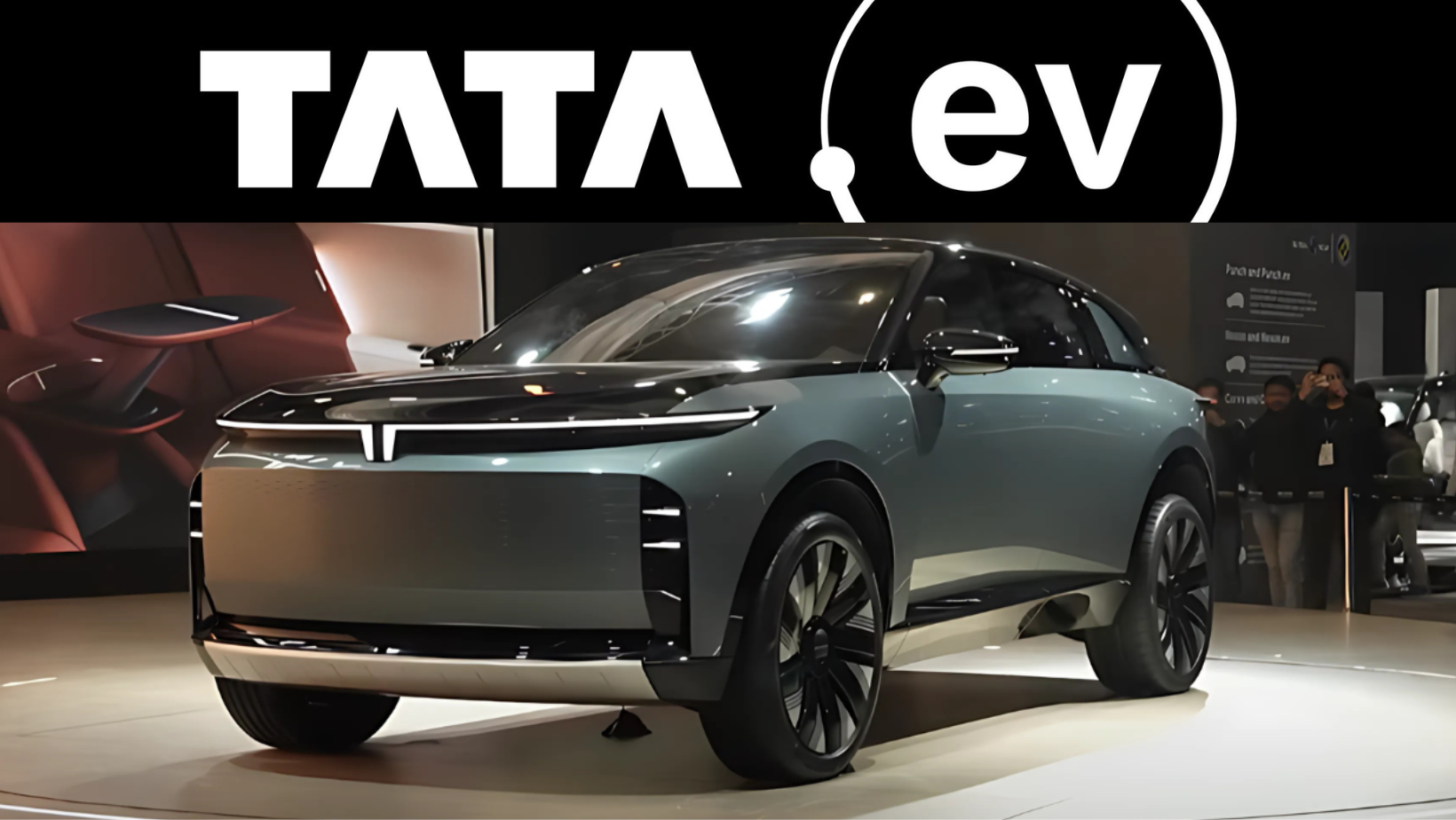
Tata Motors Plans Aggressive Entry into Premium EV Segment
Tata Motors is preparing to launch its highly anticipated Tata Avinya electric SUV, with an expected price of around ₹25 lakh, sources. The five-seater EV SUV, developed by Tata Passenger Electric Mobility Limited (TPEML), was first unveiled in April 2022 and is based on Tata’s next-generation “Gen 3 architecture”—designed for premium electric mobility.
Responding to queries regarding the pricing, a Tata Motors spokesperson stated, “We have indicated that the first vehicle under the Avinya series is expected in FY27. We’ve not indicated anything on the pricing of the vehicle. We typically talk about it at the launch.”
Despite the lack of an official announcement, sources claim that Tata Motors aims to position the Avinya SUV as a direct competitor to Tesla’s Model 3, which is expected to launch in India with a price tag above ₹30 lakh. Tesla is reportedly set to enter India this year, with initial sales beginning as early as April. According to sources, the Elon Musk-led company will initially import vehicles from its Berlin-Brandenburg Gigafactory before considering local manufacturing.
India’s Policy Shift May Benefit Tesla and Tata Motors Alike
India’s stance on EV imports has witnessed a major shift, as the government is expected to offer import duty concessions for American automakers like Tesla that opt to export vehicles to India before setting up local factories. This policy change could impact Tata Motors’ EV strategy, as the company would need to aggressively position Avinya against imported Tesla models to maintain its market leadership in India’s EV segment.
Tata Motors’ Avinya: A Game-Changer in the Electric SUV Market?
Advanced Features and High-Tech Architecture
The Tata Avinya electric SUV is being designed as a global EV platform, emphasizing:
- High structural safety, making it ideal for India’s diverse road conditions
- Advanced waterproofing and dust protection, catering to Indian and international markets
- Ultra-fast charging capabilities, enabling at least 500 km of range in under 30 minutes
Tata Motors has emphasized the use of next-generation materials, energy-efficient electronic components, and proprietary battery management strategies to enhance efficiency. If Avinya delivers on its promises, it could set new benchmarks in India’s premium EV market.
Tata Motors’ Strategic EV Expansion
In a move to streamline its business operations, Tata Motors is considering merging its electric vehicle business with its passenger vehicle (PV) division once the ongoing demerger of its commercial vehicle (CV) and PV businesses is completed, Moneycontrol reported earlier.
Since 2021, Tata Motors has structured its CV, PV (including EVs), and Jaguar Land Rover (JLR) divisions as independent entities, allowing them to focus on distinct growth strategies. The Avinya series could leverage synergies across ICE (internal combustion engine) and EV technologies, aligning with Tata’s long-term vision for autonomous driving and advanced vehicle software development.
India’s Electric Vehicle Market Heats Up with Tesla, Tata, and More
Government Push and Market Growth
India is witnessing a rapid expansion in the EV sector, backed by government incentives and the ‘Make in India’ initiative. The government has set ambitious goals for EV adoption by 2030, including:
- 30% of private car sales
- 70% of commercial vehicle sales
- 40% of bus sales
- 80% of two-wheeler and three-wheeler sales
This translates to a target of 80 million electric vehicles on Indian roads by the end of the decade. With growing investments and policy shifts favoring sustainable mobility, automakers like Tata Motors, Mahindra, Hyundai, and Tesla are gearing up to capture a significant share of this expanding market.
Tesla’s Entry to Challenge Domestic Players
Elon Musk has long been interested in entering India’s market, given its high growth potential. Tesla’s strategy involves initial imports followed by local production, similar to the entry strategies used in China and Europe. With Tesla’s imminent arrival, Indian automakers like Tata Motors and Mahindra Electric will need to strengthen their premium EV lineup to compete effectively.
Tata Motors, which currently leads the Indian EV market with models like the Tata Nexon EV and Tata Tiago EV, sees Avinya as a flagship product to compete in the premium EV category—an arena where it has faced little competition so far.
What Lies Ahead for Tata Avinya and India’s EV Market?
Strong Demand, More Investments, and EV Infrastructure Expansion
With growing consumer interest and an expanding charging infrastructure, India’s EV market is poised for exponential growth. Several factors will determine Avinya’s success, including:
- Competitive pricing against Tesla and other international players
- Battery technology innovations for improved range and fast charging
- Government policies on import duties and subsidies for local EV manufacturing
- Expansion of EV charging networks across the country
If Tata Motors successfully positions Avinya as a Tesla rival at a lower price point, it could become a market disruptor in India’s high-end EV segment. The next few years will be crucial in shaping the trajectory of India’s premium electric vehicle industry.


