
India’s small-cap earnings season delivered a stronger result than many investors expected.
Motilal Oswal Financial Services’ Q1 FY27 review showed that earnings across its 186-company small-cap universe rose 31% YoY, ahead of its 22% estimate. Nifty 50 PAT growth came in at 18% YoY, a 10-quarter high, versus MOFSL’s 10% estimate.
But within that broader earnings recovery, a few companies delivered numbers dramatically higher than the smallcap benchmark.
Three names stand out:
- MTAR Technologies: PAT +364.5%
- Kernex Microsystems: PAT +1,372.5%
- PSP Projects: PAT +4,266.7%
The percentages are eye-catching. But the reasons behind them are very different.
MTAR combined sharp profit growth with strong revenue growth and substantial order inflows. Kernex delivered explosive revenue and PAT growth but also recorded a sizeable warranty provision. PSP Projects posted the biggest percentage jump, although the comparison was amplified by a very low year-ago profit base.
That leaves investors with a more important question than simply which company delivered the biggest number:
Can these earnings gains remain strong after the Q1 base effect and unusually high growth rates start to normalise?
Smallcaps grew 31%—these three went far beyond the benchmark.
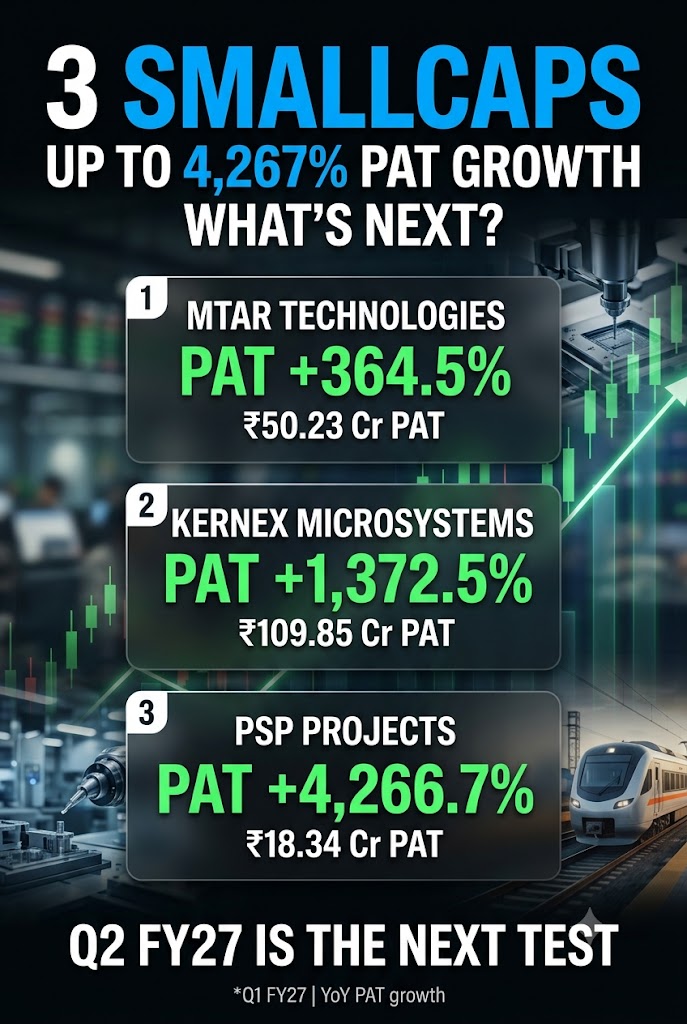
| Company | Q1 FY27 PAT | YoY PAT growth | Revenue growth | Key earnings signal |
|---|---|---|---|---|
| MTAR Technologies | ₹50.23 cr | 364.5% | ~130% | Record Q1 order inflow |
| Kernex Microsystems | ₹109.85 cr | 1,372.5% | 800.4% | ₹3,641-cr order book |
| PSP Projects | ₹18.34 cr | 4,266.7% | 64.4% | Large low-base recovery |
Consolidated Q1 FY27 figures; growth rates are YoY.
The broader backdrop is important.
MOFSL said small-cap companies in its 186-company universe delivered 31% earnings growth against an estimated 22%, supported by a favourable base and led primarily by financials and oil & gas. In Q1 FY26, the same universe had reported only about 1% YoY earnings growth, making the comparison particularly important.
That means the three individual outliers are interesting—but investors need to look beyond the headline percentages.
MTAR Technologies: 364.5% PAT growth comes with strong order visibility
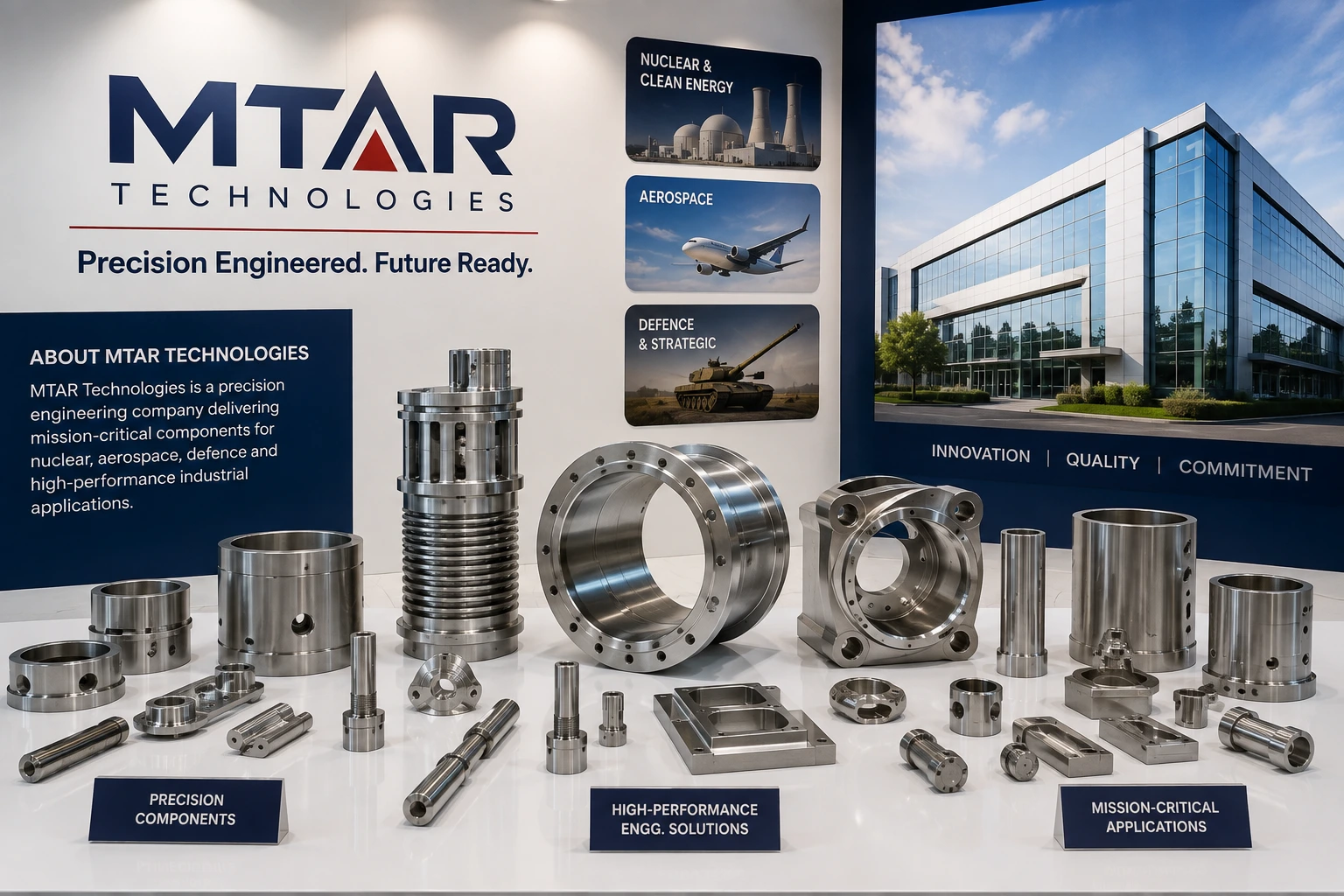
MTAR Technologies reported Q1 FY27 PAT of around ₹50.23 crore, up 364.5% YoY, while revenue increased by roughly 130%.
The earnings jump was accompanied by exceptionally strong order activity.
MTAR reported ₹2,895.1 crore of fresh order inflow during Q1 FY27, while its order book stood at approximately ₹5,143.3 crore as of June 30, 2026.
MTAR’s Q1 snapshot
| Metric | Q1 FY27 |
|---|---|
| PAT | ₹50.23 crore |
| PAT growth | 364.5% YoY |
| Revenue growth | ~130% YoY |
| Q1 order inflow | ₹2,895.1 crore |
| Closing order book | ₹5,143.3 crore |
MTAR’s investor-relations disclosures list its Q1 FY27 press release and multiple FY27 order-related announcements, providing the primary-company source trail for the quarter and order activity.
The company has also secured a fresh ₹127-crore NPCIL order, adding to its nuclear-related opportunity.
What investors need to watch
The combination of sharp revenue growth and substantial order inflows gives MTAR meaningful forward visibility.
But expectations can rise quickly after an exceptional quarter.
The next question is therefore not simply whether MTAR can grow from last year’s base. It is whether order execution can keep earnings growth high enough to meet the expectations now being built into the stock.
That makes Q2 FY27 an important confirmation quarter.
Kernex Microsystems: 1,372.5% PAT growth, but execution is the real test
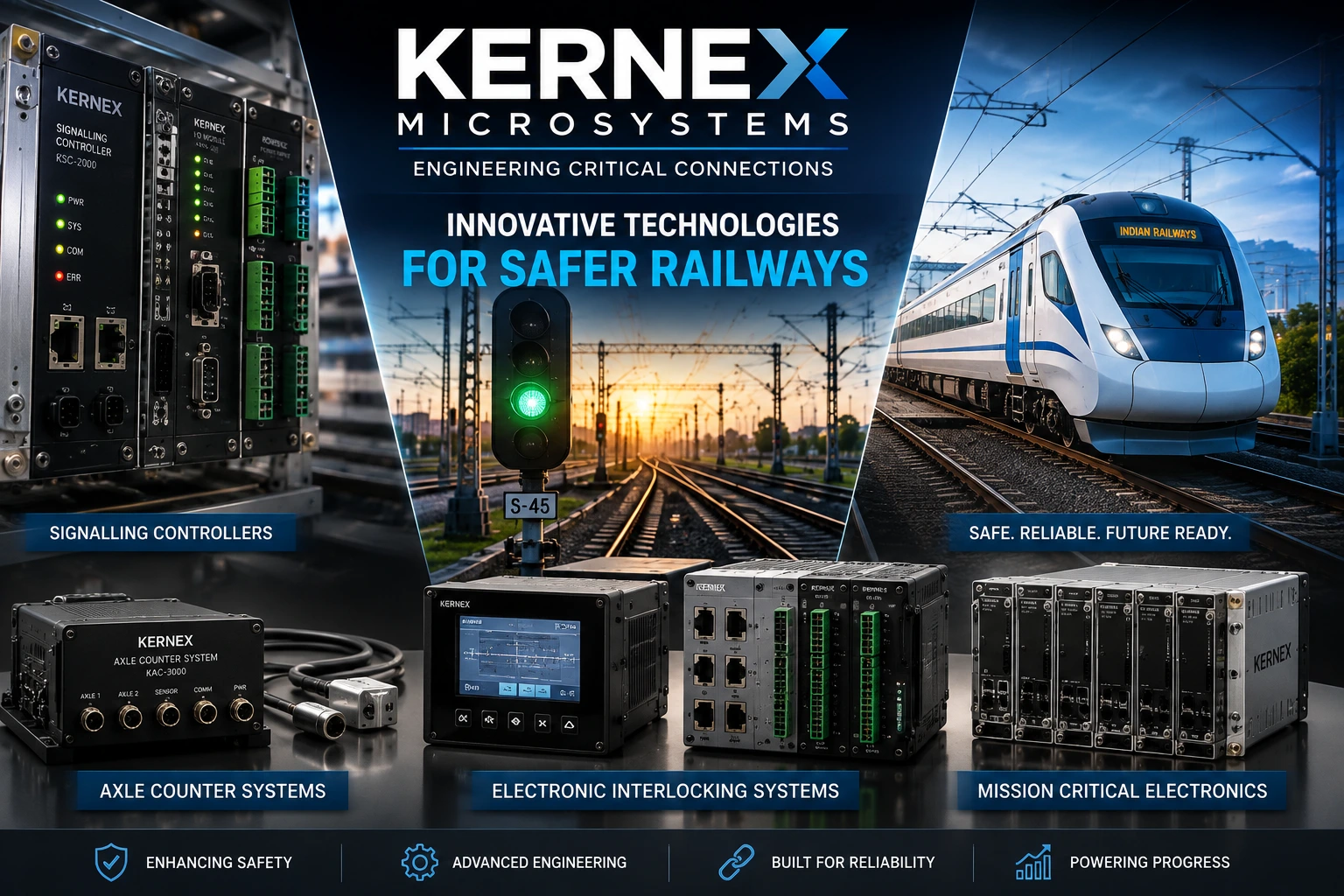
Kernex Microsystems delivered one of the most dramatic Q1 earnings increases among smallcaps.
Q1 FY27 revenue surged 800.4% YoY to ₹503.58 crore, while PAT rose to ₹109.85 crore, up approximately 1,372.5% YoY.
The company also had a substantial order pipeline.
Its aggregate outstanding order book stood at around ₹3,641 crore, including GST, with the major CLW order about 45% executed as of August 13, 2026.
Kernex’s Q1 snapshot
| Metric | Q1 FY27 |
|---|---|
| Revenue | ₹503.58 crore |
| Revenue growth | 800.4% YoY |
| PAT | ₹109.85 crore |
| PAT growth | 1,372.5% YoY |
| Order book | ₹3,641 crore |
| Warranty provision | ₹30.05 crore |
The order book gives Kernex substantial potential revenue visibility.
But there is an important counterpoint.
The company recognised a ₹30.05-crore provision towards warranty obligations related to KAVACH and signalling systems during Q1.
This matters because the next phase of the story will depend not only on order wins, but on how efficiently those orders are executed and what margins remain after associated costs.
The company’s Q1 EBITDA margin was also lower sequentially, adding another metric investors will be watching.
The Kernex expectation gap
The ₹3,641-crore order book creates significant future opportunity.
But the market will increasingly want evidence that the order book translates into:
revenue → margins → cash generation
rather than remaining primarily a large headline number.
PSP Projects: 4,266.7% PAT growth has one big catch.

PSP Projects reported consolidated revenue of approximately ₹857.5 crore, up around 64% YoY, while PAT rose to ₹18.34 crore from roughly ₹0.42 crore a year earlier.
That translates into approximately 4,266.7% YoY PAT growth.
It is the biggest percentage jump among the three.
But it is also the number that requires the most context.
Why the 4,267% figure can mislead
PSP Projects was starting from an exceptionally low Q1 FY26 PAT base.
Moving from roughly ₹0.42 crore to ₹18.34 crore naturally creates a huge percentage increase.
Therefore:
4,266.7% is mathematically correct YoY growth, but it should not be interpreted as a sustainable annual earnings-growth rate.
The more useful indicators are the company’s absolute profit, revenue growth and operating performance.
PSP’s EBITDA also increased sharply year-on-year alongside the revenue recovery.
There is another important sequential detail.
Q1 FY27 PAT of ₹18.34 crore was lower than Q4 FY26 PAT of ₹21.09 crore, making the sequential trend worth monitoring even as the year-on-year comparison looks spectacular.
That creates an important expectation gap.
The company has clearly improved from the exceptionally weak year-ago base, but the next few quarters will show whether that improvement is becoming a sustained earnings trend.
Three huge PAT numbers—but three very different earnings stories
This is where the story becomes more useful than a simple list of high-growth stocks.
| Stock | What drove Q1 growth | Supporting factor | Key risk/watchpoint |
|---|---|---|---|
| MTAR Technologies | Sharp operating growth | ₹2,895-cr Q1 order inflow; ₹5,143-cr order book | Execution and rising expectations |
| Kernex Microsystems | Massive revenue scale-up | ₹3,641-cr order book | Warranty costs, execution and margins |
| PSP Projects | Sharp recovery from tiny base | Revenue +64% | Low-base effect and sequential moderation |
So ranking these companies simply by PAT growth would miss the important part.
MTAR’s 364.5% growth comes alongside strong revenue acceleration and substantial order inflows.
Kernex’s 1,372.5% growth comes with an extraordinary revenue jump and a large order book, but execution economics need monitoring.
PSP’s 4,266.7% growth is genuine, but the percentage is heavily amplified by its very low year-ago base.
MOFSL’s 31% number may matter more than the extreme outliers.
The individual numbers are spectacular, but the broader smallcap earnings picture is arguably more important.
MOFSL’s smallcap universe delivered 31% PAT growth versus a 22% estimate. The brokerage said the performance was supported by a favourable base and led primarily by financials and oil & gas.
At the same time, MOFSL pointed out that the small-cap universe had a favourable base because Q1 FY26 earnings growth was only about 1%.
That creates a subtle tension.
The earnings recovery is real, but part of the headline growth is also being helped by base effects.
This distinction becomes increasingly important as FY27 progresses.
If earnings continue to beat expectations in Q2 and Q3, the smallcap earnings recovery could become more durable.
If growth moderates sharply as the base normalises, investors may become more selective.
Why the next quarter could matter more than Q1
The Q1 numbers are already known.
The market is now looking forward.
For MTAR, investors will want to see whether the record order inflow converts into revenue and profit.
For Kernex, the key test will be execution of the ₹3,641-crore order book while managing warranty-related costs and margins.
For PSP projects, investors will want evidence that the profit recovery can continue even as the low-base benefit fades.
This creates an important market dynamic:
The better the Q1 number, the higher the bar for Q2.
A company does not necessarily have to repeat 365%, 1,373% or 4,267% growth to deliver a good business performance.
But if the stock has already priced in exceptional growth, even a strong absolute result could disappoint if it falls short of market expectations.
What traders and investors should watch next
| Indicator | Why it matters |
|---|---|
| Revenue growth | Confirms whether PAT growth is operationally supported |
| EBITDA margin | Shows whether growth is translating into sustainable profitability |
| Order execution | Critical for MTAR and Kernex |
| Order-book conversion | Determines future revenue visibility |
| Warranty/exceptional costs | Particularly important for Kernex |
| Absolute PAT | More meaningful when the prior-year base is tiny |
| Cash flow | Tests the quality of reported earnings |
| Analyst estimate revisions | Shows whether expectations are moving with earnings |
| Valuation | Determines how much future growth is already priced in |
The bigger small-cap question: earnings or expectations?
Q1 FY27 results have strengthened the earnings case for India’s small-cap segment.
But strong earnings alone do not guarantee continued stock outperformance.
The market prices the future.
That means investors now have to judge whether:
earnings growth > expectations
If that remains true, earnings momentum could continue to support selected smallcaps.
If expectations start rising faster than actual earnings, the market could become less forgiving—even if companies continue reporting double-digit or triple-digit profit growth.
That is the uncertainty surrounding the next phase.
Final takeaway
Motilal Oswal’s Q1 FY27 review showed that its 186-company smallcap universe delivered 31% PAT growth versus a 22% estimate, while Nifty 50 PAT grew 18%, a 10-quarter high.
Against that backdrop, three companies delivered exceptional individual numbers.
MTAR Technologies reported 364.5% PAT growth, supported by roughly 130% revenue growth and substantial Q1 order inflows, with its order book reaching around ₹5,143 crore.
Kernex Microsystems reported approximately 1,372.5% PAT growth, with revenue up 800.4% and an order book of around ₹3,641 crore. But its ₹30.05-crore warranty provision means execution economics will need close monitoring.
PSP Projects delivered 4,266.7% PAT growth, but the percentage was heavily amplified by the very low Q1 FY26 base. Its Q1 PAT was also lower sequentially than Q4 FY26, making repeatability an important question.
The conclusion is therefore not that these three stocks will continue to outperform.
It is more nuanced:
Smallcap earnings have surprised positively, but the next phase will test whether exceptional Q1 growth can survive higher expectations, normalising base effects and the demands of actual execution.
For investors, Q2 FY27 may provide a much clearer answer than Q1.
Read Next: 12 IPO Stocks, One Number Investors Can’t Ignore: Up to 407% Returns
Disclaimer: This article is for informational purposes only and does not constitute investment advice. Investors should independently assess valuations, earnings sustainability, execution risks, and their own risk profile before making investment decisions.